How did we carry out the first study on the situation of LGTBI+ people in Spain?
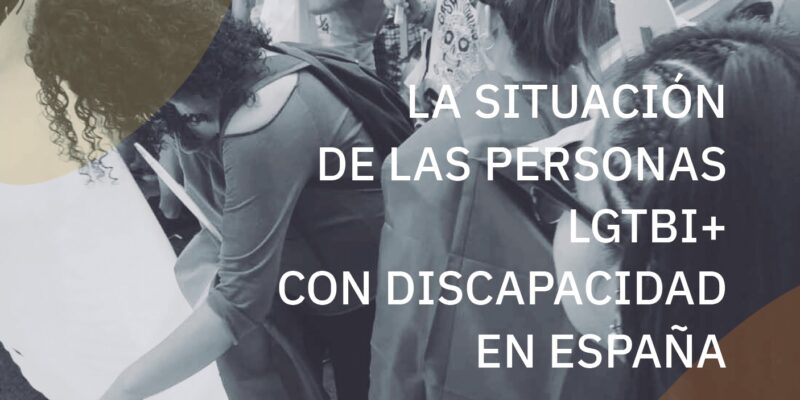
At the end of January, we presented at the Ministry of Equality the first study to be carried out in Spain on the situation of LGTBI+ persons with disabilities, a work that we carried out as part of the group Tangent. Doing this research was a challenge, not only because of the lack of precedents on the subject, but also because it had to be a study with an intersectional approach and, at the same time, of universal accessibility.
Then, How can we know the reality of LGTBI+ persons with disabilities in order to analyse the situation of discrimination, prejudice and violence they suffer? In this article we highlight how we managed to achieve the proposed objectives, as well as the main conclusions and needs identified.
In order to carry out this study, we designed a qualitative and quantitative methodology, This made it possible to integrate an intersectional and comprehensive approach to the analysis of the experiences of LGTBI+ persons with disabilities.
With the support of the driving group, made up of organisations that defend the rights of people with disabilities and the LGTBI+ movement, we had access to key actors, which facilitated the application of the research techniques designed for this study.
In this way, we realise 50 interviews in depth LGTBI+ people with disabilities; 15 interviews professionals from various sectors, 10 life stories and a nationwide survey where 420 people participated. In addition, we a discussion group y a seminar starring 33 key actors with the aim of facilitating the participation of institutional and Third Sector representatives.
This methodology made it possible to obtain information on the different types of discrimination faced by this group in the various areas of their lives.The following are just some of the areas in which the programme is offered: family, work, health, leisure, education, among others.
What considerations did we take into account to ensure the accessibility of the study?
The model ad hoc ensures that all people have equal access to information and participation. On this basis, we took into account the following considerations:
- I work with expert accessibility organisations to identify needs and apply tools to ensure universal accessibility.
- Sign language, subtitling, easy reading and screen readers were used during the fieldwork.
- Accessible platforms were used for the online questionnaires, as well as adaptation of the scales for LGTBI+ persons with disabilities.
- Accessibility was ensured in meetings and interviews, with sign language interpreters and physical accessibility to the spaces was also guaranteed.
Another of the contributions to be highlighted is that the study presents a series of recommendations which can be implemented through both public policy formulation and civil society initiatives. They propose to promote the necessary changes to strengthen and build on protective factors, while reducing, eliminating or transforming risk factors.
General conclusions of the study and needs identified
Through the methodology applied, the study concludes that LGTBI+ persons with disabilities continue to face significant invisibility in various social spheres, which aggravates the intersectional discrimination that affects their overall well-being. The lack of recognition of their realities generates barriers that limit their access to fundamental rights, highlighting the need for a more inclusive approach in public policies and media representation.
It also highlights the importance of strengthening support in family and social environments, as these play a key role in the quality of life of LGTBI+ persons with disabilities. It is essential to guarantee a diverse sexual education, as well as to promote the creation of safe, accessible and violence-free spaces that favour their socialisation and personal development.
If you want to go deeper and learn in detail about “The situation of LGTBI+ people with disabilities in Spain”.”, we invite you to read the full study report and, if you prefer, you can also find it at easy reading.


 Attribution-NonCommercial-ShareAlike